
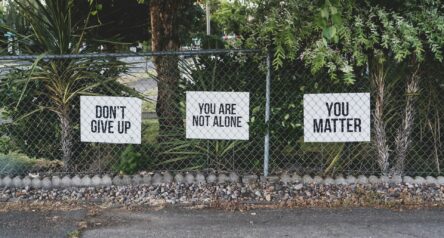
This article title was thought up based on a Human Resources (HR) 360 Evaluation Tool exercise that required managers to evaluate superiors and superiors to evaluate each other. As a City Finance Director with 35 years of municipal government experience, I have been through many of these management training and development exercises. Some of them resulted in good training that improved the positive culture of the organization, and others that just resulted in a large report binder that still sits on a shelf collecting dust for years.
A little about me as a 35-year City Finance Director, I am “not” afraid of getting fired, I never was afraid, even when I had a wife and children to provide for. I have been overly confident all of my career, maybe even foolish, but I have never been afraid of getting fired. Maybe that’s why I was never fired from a City job. However, I am terrified when giving feedback to my superiors. But my fear is accidentally disrespecting my superiors, especially my City Manager. If I tell you, it is “scary” to give feedback to the City Manager, it is only in the sense that I would hate to be wrong when correcting my City Manager. Not long ago, I told my City Manager I thought he was a bit sarcastic with a Council member during a public meeting. I could visibly see he did not like my comment. What am I doing?! This feedback to my City Manager is not even related to me personally. However, the reason I gave my City Manager this feedback was because I care greatly about the City Manager, and I know that the success of the City Manager means the success of the entire workforce and the City organization as a municipal corporation. But enough about me, let’s discuss the HR objectives and the purpose of hiring a management consultant for a 360 Evaluation.
Recently, one of my City clients hired a management consulting firm to help us work through the delicate process of “open communication” and improving teamwork and cooperation, among other HR management objectives. Workplace cultures, even in local government, are created over years and decades, so we should not expect immediate change to occur. There may well be a need for significant improvement in management behavior, and a need for a more collaborative workplace culture that promotes freedom of expression and diversity of professional opinions, and ideas by all members of the team. But we should not expect immediate change as most people are afraid of change as they are of expressing themselves professionally.
As I already said, I don’t have to tell you how “scary” it is to provide the City Manager, or your colleagues and fellow Directors, what you think of them, and the various aspects of their management style. Ok let me share one more experience. In my first assignment as Finance Director for the City of San Jacinto, California, I used to say a lot of stupid things, and I got my hand slapped a lot of times. This was especially true when I thought I could play “deputy Public Works Director” and tell him what I thought the speed limit should be in a given intersection of the City. I remember how embarrassed I was when the Public Works Director, Les Evans, in front of all my fellow Directors, used a child’s voice to mimic what I said, “I think the speed limit should be 35 MPH at Sanderson & Main Street”! I turn red just remembering that meeting! I could go on with many stories about the dumb things I said as a new Finance Director, but then again, I still say dumb things. However, I am “not” afraid to speak up, not because of arrogance, but because I consider it my professional duty, to make sure my City Manager and colleagues hear my ideas, especially when said with respect and humility, and in the proper forum. And remember, giving feedback as managers and Directors, especially in difficult situations, well, that’s why we get paid the big bucks!
Back to this blog post, managers directed to participate in a 360 Evaluation should give honest and sincere feedback, without fear of retribution. This topic of “psychological safety” is an important issue, and management consultants will discuss this when introducing the 360 Evaluation Tool. This is the thought that drove the idea for this blog post.
You know what’s interesting? Psychological safety doesn’t just magically appear in a municipal team. It’s something you and I must intentionally build. Think about it: when people feel safe to speak up, challenge ideas, or even admit mistakes, the whole team performs better. It’s not just theory either, research following nearly 300 government staff and leaders over two and a half years shows that teams with high psychological safety don’t just work harder, they work smarter, with far less conflict holding them back. Even Google found the same thing: psychological safety is the number one factor that separates the best-performing teams from the rest.
But here’s the catch, most government employees don’t feel safe speaking up at work. Maybe you’ve seen this in your own team. According to Gallup, only 3 out of 10 government employees strongly believe their opinions really matter. And for diverse team members, it’s even tougher. Nearly half of female leaders say they struggle to speak up in virtual meetings, and one in five feels completely ignored on video calls. Can you imagine the ideas and perspectives that never make it to the table because of that silence?
With decades of experience in municipal staffing and consulting, MuniTemps has been delivering skilled municipal professionals who provide the critical administrative support cities and their employees need to thrive. In this article, we’ll focus on a topic that goes beyond technical skills and daily operations which is building psychological safety in municipal teams. This is especially relevant for local government leaders and employees who want to create a long-term, sustainable culture where teams feel safe to collaborate, innovate, and serve their communities effectively.
Municipal teams face unique challenges that make psychological safety even more critical. Your hierarchical structures, public accountability pressures, and complex stakeholder relationships create environments where speaking up feels risky. Yet the cost of silence in public service extends far beyond team performance – it directly impacts the communities you serve.
Are you creating the environment your municipal team needs to thrive? Building genuine psychological safety requires intentional action across four essential areas: willingness to help colleagues, true inclusion and diversity, healthy attitudes toward risk and failure, and completely open conversation.
Your public service mission deserves teams that feel safe to innovate, question assumptions, and bring their best thinking to every challenge. Let’s explore how to make that vision your team’s reality.
What’s Killing Psychological Safety in Your Municipal Team
Municipal environments create perfect storms for psychological safety breakdown. Those rigid hierarchies that define government work? They’re silencing the very voices you need most. When employees fear being labeled troublemakers or facing retaliation, they choose silence over speaking truth to power. This hierarchy-induced fear doesn’t just quiet individual voices – it creates an entire culture where team members feel inferior and reluctant to contribute their best thinking.
Command-and-control leadership kills collaboration before it starts. When decisions get handed down rather than discussed, your team members disconnect emotionally and intellectually. Add dominating personalities to leadership positions, and you’ve created participation dynamics that systematically silence diverse perspectives. These aren’t just management problems – they’re performance killers.
Power struggles spread like wildfire through municipal teams. Research confirms what most government workers know firsthand: these conflicts poison the entire environment, making team members hesitate before sharing new ideas. The public sector’s emphasis on respect and hierarchical order makes this challenge even thornier – questioning upward becomes not just risky but culturally inappropriate.
External pressures make everything worse. Nearly two-thirds of elected officials face threats or harassment, while 43% seriously consider leaving public service because of hostile conditions. Female officials bear an even heavier burden – experiencing harassment roughly six times more than their male colleagues. When your elected leadership operates under siege conditions, that stress filters down through every level of municipal operations.
The warning signs are unmistakable: dismissive responses to concerns, micromanagement that stifles initiative, and undermining behaviors that erode trust. Organizations that emphasize accountability and open communication create environments where problems get reported and solved. But politically charged environments? They create dangerous blind spots around the very issues that most need attention.
Your municipal team’s psychological safety hangs in the balance of these competing forces. The question isn’t whether these barriers exist in your organization – it’s whether you’re ready to tear them down.
8 Practical Ways to Build Psychological Safety in Municipal Teams
Building psychological safety isn’t about hoping for the best – it requires deliberate construction, brick by brick. Think of these eight strategies as the blueprints for creating an environment where your municipal team thrives through open communication and genuine trust.
Master active listening as your cornerstone. Most leaders think they listen, but their teams tell a different story. When employees truly feel heard, they become twice as likely to deliver their best work – especially when leaders act on what they hear. Make eye contact, resist the urge to interrupt, and follow up with genuine questions that show you’re engaged.
Create team charters together. Every high-performing team builds some form of social contract that evolves with their needs. These aren’t just feel-good documents gathering dust in folders. Your charter should spell out how you communicate, what you value, and how you’ll handle conflicts when they arise. Think of it as the foundation stones for everything that follows.
Schedule regular retrospectives after major projects or work sprints. These structured reviews help teams learn from both victories and setbacks while improving processes for next time. Research proves retrospectives enhance team reflexivity, leading to sharper decision-making, better problem-solving, and greater adaptability when change hits.
Balance power dynamics with intention. Teams that blend authority with genuine collaboration achieve 50% higher productivity and 60% more innovation. Create communication channels that work both up and down the hierarchy, and foster environments where both formal leaders and emerging voices collaborate effectively.
Build multiple feedback pathways, including anonymous options. Your municipal environment might make some employees hesitant to speak up directly. Multiple channels ensure everyone feels comfortable raising concerns, regardless of their position in the organizational chart.
Address toxic behaviors immediately. Here’s a hard truth: unchecked negative behavior drains approximately $300 billion annually from organizations. When you witness undermining, dismissiveness, or other destructive patterns, acknowledge and respond right away. Silence sends the wrong message to your entire team.
Recognize achievements consistently and specifically. Only 35% of local government employees believe their organizations effectively recognize good work. Timely, specific appreciation reinforces the behaviors and contributions that move your team forward. Recognition isn’t just nice – it’s necessary.
Model psychological safety from your position. Leaders who demonstrate vulnerability and openness create space for team members to do the same. Your willingness to admit mistakes, ask for help, and show authentic humanity gives others permission to bring their whole selves to work.
These strategies work because they address the human need for safety, belonging, and contribution. Your municipal team already serves something bigger than themselves – now give them the environment to do it at their highest level.
Measuring and Sustaining Psychological Safety Over Time
You can’t manage what you don’t measure – and psychological safety demands the same rigorous approach you apply to budget tracking or performance metrics. The numbers don’t lie: psychological safety accounts for 29.4% of variance in wellbeing scores, with top-quartile teams showing 47% higher median wellbeing scores than bottom performers. Even more compelling? Psychological safety explains 37.5% of variance in team performance scores.
The question is: how do you actually measure something as intangible as whether your team members feel safe speaking up?
Edmondson’s validated seven-item survey gives you a reliable starting point. The assessment asks the hard questions – whether mistakes get held against team members, if unique skills are truly valued, and whether taking calculated risks feels safe. For municipal teams specifically, anonymous surveys yield far more honest responses, particularly when psychological safety levels are already low.
But surveys only tell part of the story. Think of qualitative data as your investigative toolkit – interviews, focus groups, and team workshops reveal the deeper context behind what builds or destroys psychological safety. This combined approach helps you pinpoint exactly where your team needs the most attention.
Here’s what the research makes crystal clear: team leader behaviors constitute the single greatest influence on psychological safety in municipal environments. This means leaders should be evaluated not just on their technical competencies, but on their ability to create psychologically safe environments.
Sustainable improvement requires a systematic follow-up approach. The Ministry of Defence’s (MOD) Psychological Safety Assessment Service demonstrates this perfectly – they conduct initial assessments, develop tailored action plans, then track progress through follow-up measurements. This methodology allows your team to spot trends early, address specific challenges before they become problems, and demonstrate genuine commitment to psychological safety.
The payoff extends far beyond team harmony. When you consistently measure and improve psychological safety, you’re building the foundation for higher performance, better wellbeing, and ultimately, more effective public service for your community.
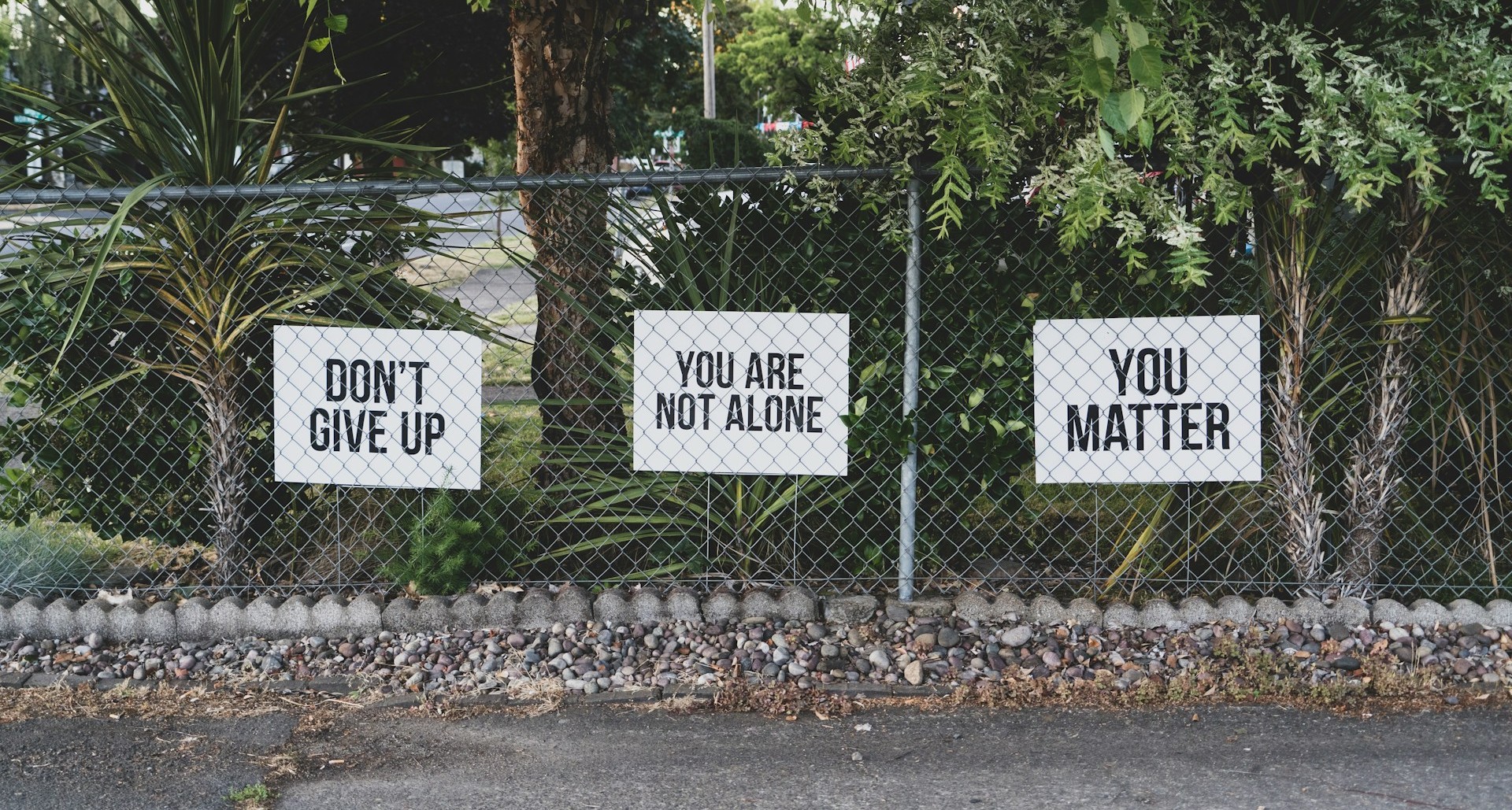
Your Path to Psychologically Safe Municipal Teams
Building psychological safety doesn’t happen by wishing it into existence. Throughout this article, you’ve discovered the specific strategies that transform rigid municipal hierarchies into collaborative environments where innovation thrives. The research is clear – teams with genuine psychological safety consistently outperform those operating in fear.
Your municipal team possesses unique advantages that private sector workers simply don’t have. Public service inherently attracts people committed to making a difference. Your mission-driven culture provides the foundation for psychological safety that many organizations struggle to create from scratch. The question isn’t whether you can build this environment – it’s whether you’re willing to commit to the consistent actions required.
Think of psychological safety as the infrastructure supporting everything else your team accomplishes. Just like you wouldn’t build roads without proper foundation work, you can’t build high-performing teams on unstable ground. The strategies outlined here – from active listening to balanced power dynamics – aren’t optional extras. They’re the essential building blocks that determine whether your team merely functions or truly excels.
Leadership behavior shapes everything that follows. When you model vulnerability, acknowledge mistakes, and genuinely value diverse perspectives, you create permission for others to do the same. This isn’t just good management – it’s laying the groundwork for the kind of public service your community deserves.
The measurement component matters equally. Your commitment to tracking progress through surveys and feedback sessions demonstrates that psychological safety isn’t a one-time initiative but an ongoing priority. Teams that regularly assess and improve their environment consistently outperform those that assume good intentions are enough.
Municipal work demands teams capable of tackling complex challenges with creativity and collaboration. Citizens depend on your department to solve problems that don’t have easy answers. Psychological safety gives your team the confidence to propose innovative solutions, question outdated processes, and learn from setbacks without fear.
The effort you invest in creating this environment pays dividends far beyond team satisfaction scores. You’re building the conditions where public servants thrive, communities benefit, and meaningful change becomes possible. After all, you’re not just managing a department – you’re shaping the future of public service in your community.
Along with the strategies we’ve shared here, John Herrera, CPA, President and CEO of MuniTemps, encourages all government employees to set psychological safety as a core priority in their workplace culture. Doing so not only strengthens your team’s performance but also ensures your organization can serve the community with resilience and innovation.
Contact our team at jobs@munitemps.com or visit www.munitemps.com to learn more. At MuniTemps, we specialize in all things municipal, from staffing and recruiting to creating meaningful career opportunities for those dedicated to public service.
For even more insights, check out the MuniTemps CitySpeak YouTube channel. Explore past video blogs that highlight common-sense approaches to leadership and organizational success in local government, including lessons in long-term financial planning. You might also want to watch the video titled “What Recession Feels Like at City Hall.” for practical advice on navigating uncertainty in the public sector.
Thank you for spending time with us today. Here’s to building municipal teams that feel safe, supported, and ready to take on the challenges of tomorrow!