
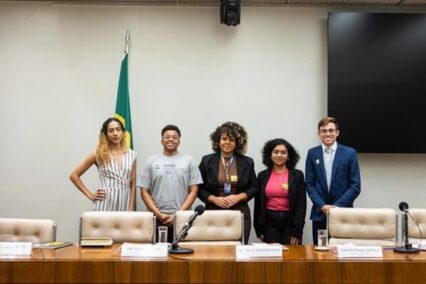
You know what’s fascinating? Youth engagement in communities doesn’t spark on its own. It thrives when cities invite them in. When cities open real doors for young people to step in and take part in decision-making, something powerful unfolds, they don’t just show up, they show up strong. In fact, think about this: in one municipal election, nearly half of registered teens turned out to vote, compared to only about 1 in 10 adults. Surprising, right? That should make any city leader stop and ask: if young people are already more engaged than most adults, why aren’t we giving them real seats at the table where the big decisions are made?
Across the country, cities are starting to catch on. Instead of treating young voices as a “nice touch,” they’re realizing those voices are essential. Picture this: Boston’s youth council doesn’t just give advice, they actually manage a $1,000,000 participatory budget, funding projects that directly improve their schools and neighborhoods. Meanwhile, Milwaukee’s Youth Council chose to direct $35,000 toward tackling youth homelessness because they know firsthand what their peers are facing. These aren’t token roles or symbolic gestures. They’re smart, future-focused investments in leadership, community, and change.
Your city has untapped potential sitting in high school hallways and college campuses right now. Programs like the Governments Engaging Youth project prove that partnerships between schools and local governments create pathways for younger generations to understand public service careers, tackle community issues, and develop into the engaged citizens your community needs.
With decades of experience in municipal staffing and consulting, MuniTemps has been dedicated to delivering skilled municipal professionals who provide the essential administrative support cities rely on. Our work isn’t just about filling roles. It’s about helping local governments and their employees build stronger, more sustainable communities. That’s why this article is especially relevant for city leaders, managers, and public servants who want to establish long-term strategies for authentic youth civic engagement.
This article will show you how to build youth civic engagement initiatives that go beyond surface-level participation. You’ll learn practical strategies to establish genuine pathways to leadership that benefit both your young residents and your community’s long-term success.
Understanding the Foundations of Authentic Youth Engagement
True youth engagement doesn’t happen when you hand young people a clipboard and ask them to take notes. It happens when you give them real power to shape the decisions that affect their lives.
Think of authentic youth engagement as the foundation of your community’s civic house – without it, everything you build on top remains shaky. At its core, authentic engagement means young people actively participate in all aspects of decision-making that affects their communities. This approach recognizes something many adults forget: youth bring unique insights and deeply held passion to causes they care about.
Let’s be clear about what civic engagement actually means. It encompasses any individual or group activity addressing issues of public concern, from volunteering and community projects to electoral participation. But here’s the difference for youth: authentic engagement occurs when they partner with adults as equals, not as tokens sitting quietly in the corner.
Your young residents can serve in three distinct roles, each with increasing levels of influence:
Speaking: Sharing their experiences with adults who then act on their behalf
Co-designing: Partnering directly with adults as equal contributors
Designing: Leading initiatives with adults providing support when needed
Research backs up what smart cities already know – when youth leadership is authentic, organizations benefit from fresh perspectives that prioritize innovation over “that’s how we’ve always done it” thinking.
The numbers tell a compelling story about why this matters. Studies reveal volunteering is linked to 97% higher odds of flourishing among adolescents. Civic participation improves educational attainment and future income levels regardless of socioeconomic background. Engaged youth demonstrate better health outcomes, stronger sense of purpose, and improved well-being.
But authentic engagement doesn’t happen accidentally. It requires four essential components: youth-adult partnerships, proper preparation, meaningful opportunities, and ongoing support. These aren’t nice-to-have additions – they’re the load-bearing walls that create genuine pathways for young people to influence the systems that shape their lives.
Your community’s future leaders are sitting in your schools right now. The question is: are you building the foundation they need to step into that leadership?
Planning and Readiness: Setting the Stage for Success
Most cities talk about youth engagement but struggle to make it work. Despite recognizing the importance of youth participation, local governments have generally been slow to establish specialized units for youth engagement. The good news? Proper planning can change that.
Successful youth civic engagement starts with a foundation of shared power – not shared input, but actual decision-making authority. Your planning process must position youth as true partners, not just participants who get to speak while adults make the real choices.
Map your community’s youth landscape first. You need representativeness across varied social, economic, and historical backgrounds. This isn’t just about checking diversity boxes – it’s about ensuring the voices you hear actually reflect the young people in your community.
The practical details matter more than you think. Schedule meetings around youth availability, not traditional business hours. Provide compensation in forms that actually benefit participants. Transportation support isn’t optional – it’s essential.
Here’s where many cities stumble: they skip the capacity building. Effective youth engagement requires both structural supports and strong connections between youth and adults. Young people need civic literacy education. Adults need training to disrupt adultism and serve as facilitators rather than directors. Without this foundation, your initiative becomes another well-meaning program that disappoints everyone involved.
Before launching anything, develop clear goals with transparent roles and expectations. Building trust takes time – there’s no shortcut around this reality. The investment you make in proper preparation creates the foundation for authentic, sustainable youth engagement that actually delivers results.
Your community’s young people deserve more than tokenism. They deserve real opportunities to shape the decisions that affect their lives.
Make It Happen: Putting Youth Engagement Into Practice
Talk is cheap – action builds communities. Research proves that giving young people real responsibility, not ceremonial roles, creates lasting engagement. The difference between successful programs and failed ones often comes down to whether you’re willing to hand over actual decision-making power.
Start with authentic feedback loops that show youth their input matters. When organizations transparently report how youth suggestions created changes, participation jumps by 70% in some communities. Don’t just collect their ideas – show them the concrete results of their involvement.
Community action projects separate serious programs from window dressing. These hands-on experiences let youth apply what they’ve learned while building essential skills. The numbers tell the story: 81% of millennials report believing they have an obligation to help those less fortunate. Your job is creating channels for that energy.
Sustainability demands more than good intentions – it requires institutional commitment. Programs that integrate youth-adult partnerships show significantly better retention rates, especially during those crucial teen years. Close the feedback loop consistently. When young people see exactly how their input made a difference, genuine engagement follows.
The community benefits extend far beyond feel-good moments. Studies show higher levels of youth engagement help communities weather economic downturns. Yet accessibility remains a challenge – currently, 60% of rural youth live in “civic deserts” with few engagement opportunities.
Smart cities discover that sustained engagement becomes self-reinforcing. As one program leader noted, “When kids see that their voices matter,” they become increasingly invested in creating positive community change. That’s not just program success – that’s building your city’s future leadership pipeline one young person at a time.
The Path Forward
Most cities talk about youth engagement but settle for advisory roles that change nothing. You now have the blueprint to do something different – to create genuine partnerships that transform both your community and the young people who call it home.
The evidence couldn’t be clearer. Boston and Milwaukee didn’t stumble into success with their youth programs. They committed to giving young people real responsibility, real budgets, and real influence over decisions that matter. The results speak louder than any policy paper – engaged youth who stay engaged, innovative solutions that work, and communities that benefit for decades.
Your city stands at a crossroads. You can continue business as usual, wondering why young people seem disconnected from civic life. Or you can recognize what the data already proves – when you create authentic opportunities for youth participation, they show up ready to lead.
True engagement isn’t about checking boxes or creating feel-good photo opportunities. Your young residents need clear pathways to influence real decisions, proper training to succeed, and ongoing support that recognizes their contributions matter. Most importantly, these opportunities must reach beyond the usual suspects – every neighborhood, every income level, every background deserves representation.
The journey toward meaningful youth civic engagement requires patience and commitment. But cities that stay the course discover something remarkable: young people don’t just participate in community change – they drive it. Their fresh perspectives and boundless energy tackle challenges that have stumped adults for years while building the civic muscles your community needs for the future.
Think of youth engagement as planting seeds for tomorrow’s civic forest. The young people you empower today become the city council members, nonprofit leaders, and engaged citizens of tomorrow. They carry forward not just the skills you help them develop, but the deep belief that their voices matter and their communities value their contributions.
Your community’s brightest future depends on the leaders you’re developing right now. The time for authentic youth engagement isn’t someday – it’s today. After all, you’re not just creating better policies and programs – you’re building the foundation for a community where every generation has a voice worth hearing.
Alongside the insights shared here, John Herrera, CPA, President and CEO of MuniTemps, encourages all government employees to prioritize authentic youth civic engagement as part of their long-term leadership and community development goals. Doing so ensures not only a stronger civic pipeline for tomorrow but also more resilient and connected cities today.
Connect with our team at jobs@munitemps.com or visit www.munitemps.com. At MuniTemps, we’re passionate about “all things municipal”, from staffing and recruiting to creating career opportunities for individuals committed to public service in local government.
For more practical insights, be sure to check out the MuniTemps CitySpeak YouTube channel. Explore video blogs from five years ago that highlight the common-sense approach of conservative, long-term financial planning and see how those principles might apply to your own municipal career. You may also find the video titled “What Recession Feels Like at City Hall.” especially relevant. It offers valuable lessons for navigating economic downturns in the public sector.